Fulham Broadway removals guide for narrow street moves
Posted on 08/06/2026

Moving around Fulham Broadway can look straightforward on a map, and then reality hits: tight roads, parked cars, awkward turning space, busy footfall, and stairs that seem to multiply the moment a sofa arrives. If you are planning a Fulham Broadway removals guide for narrow street moves, you are probably already sensing that a standard approach will not do. You need a plan that fits the street, the building, the timing, and the load - not just the postcode.
This guide walks you through the practical side of moving in and around Fulham Broadway, with a focus on the little details that save time, protect your belongings, and reduce stress on the day. It is written for real moves, not idealised ones. The kind where the van cannot just stop anywhere, the hallway is too slim for guesswork, and the neighbours would quite like their street back by lunchtime, thank you very much.
Whether you are moving into a flat above a shop, out of a Victorian terrace, or relocating an office from a side street near the station, the same principle applies: narrow street moves reward preparation. The good news? With the right sequence, they are very manageable.
Why Fulham Broadway removals guide for narrow street moves Matters
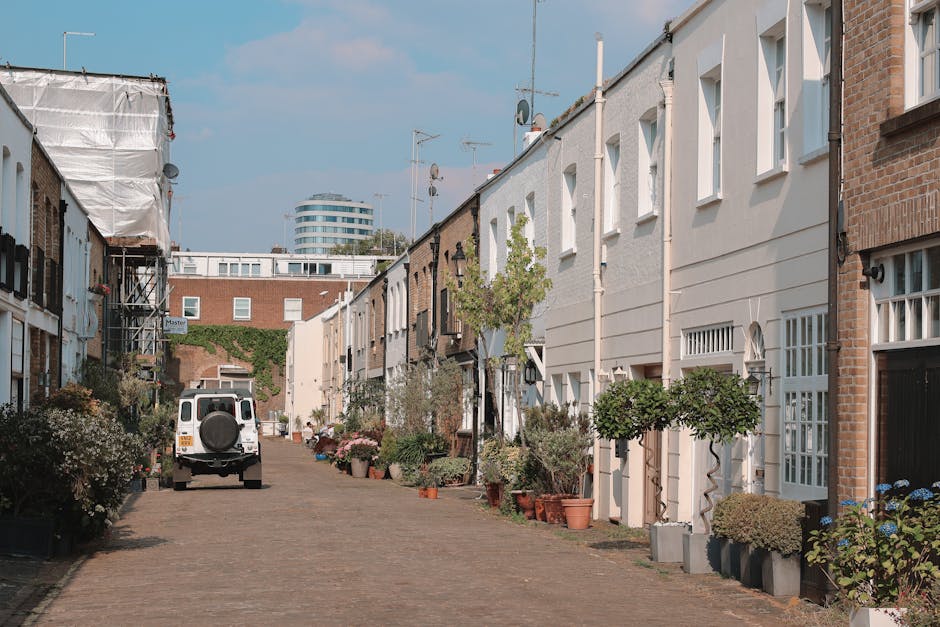
Fulham Broadway sits in a part of London where access can change from one road to the next. One street may allow a van to pause neatly for loading, while the next is lined with parked cars, residents moving in and out, cyclists squeezing through, and just enough room to make reversing feel like a test of patience. Narrow street moves matter because they change the whole logistics model.
In a wider suburban setting, a removal team can often work with a big vehicle, a broad loading area, and a relaxed unloading window. Around Fulham Broadway, you often have to think in layers: can the vehicle stop safely, can the team carry items from the front door to the van without blocking the pavement, and will the route to the property let bulky furniture through without damage? Those questions sound obvious, but they are exactly where moving day goes wrong when they are left until the last minute.
There is also the human side of it. Narrow streets tend to magnify stress. If one neighbour needs to pass, if the lift is small, if the rain starts, if the key handover is late, everything feels amplified. A solid plan gives you breathing room. It also makes you look organised, which never hurts when you are sharing tight space with residents who are trying to get on with their day.
If you are still early in the planning stage, it can help to read a wider overview of available removal services in Fulham and compare them with your property type. A top-floor flat and a ground-floor family home do not need the same setup. That sounds simple, but people miss it all the time.
Expert summary: The narrower the street, the more your move depends on timing, vehicle choice, carrying distance, and building access. Get those four things right and the rest becomes much easier.
How Fulham Broadway removals guide for narrow street moves Works
The move usually works best when you treat it as a route-and-access project, not just a transport job. First comes the survey. Then the packing plan. Then the vehicle selection. Finally, the choreography of loading and unloading. It is a bit like stage management, really - only with wardrobes.
Here is the practical flow most narrow street moves should follow:
- Assess the street access. Look at where the van can stop, whether there is room to open doors fully, and whether any parked vehicles or turning points might create a bottleneck.
- Measure the awkward parts. Door frames, stair widths, lifts, landings, tight corners, low ceilings, and bin-store entrances all matter more than people expect.
- Match the vehicle to the job. A smaller or mid-sized vehicle can sometimes be better than an oversized one, because it is easier to position and quicker to load in constrained streets. A removal van in Fulham can be the smarter choice when access is limited.
- Pack in a carry-friendly way. Boxes should be manageable by one person where possible, with fragile items secured properly. You do not want a heavy box splitting on a narrow stairwell. Nobody wants that.
- Load in order. Items needed last at the destination should usually go in first, with essentials and fragile pieces clearly marked for easy retrieval.
- Unload in a controlled sequence. Keep the route clear, protect floors, and place each item where it belongs rather than building a mountain of boxes in the hallway.
The good teams will also look at whether a smaller moving solution is better for part of the job. For example, if you are moving from a flat with limited access and only a handful of rooms, a man with a van in Fulham style service can be a practical fit. For larger households or higher-value loads, a fuller crew may be the safer and faster option.
Truth be told, the best narrow street moves are the ones that feel boring on the day. No drama. No last-minute panic. Just calm loading, steady carrying, and a clean handover. That is the goal.
Key Benefits and Practical Advantages
Planning a move properly for a narrow street does more than avoid chaos. It makes the entire process smoother in ways you will notice immediately.
- Less risk of vehicle access problems: A planned approach reduces wasted time searching for a stopping point or trying to squeeze in where the van should never have gone.
- Lower chance of damage: Measured routes, careful wrapping, and the right carrying technique protect both your belongings and the property itself.
- Shorter loading windows: In tight streets, speed matters. Good packing and pre-planned loading make each trip more efficient.
- Better neighbour relations: A tidy, considerate move is far easier on everyone else living there.
- Less physical strain: Narrow stairs and repeated lifts are tiring. Smaller loads and smarter sequencing make a real difference.
- Cleaner budget control: Fewer delays often mean fewer surprises. If you are comparing providers, start with pricing and quote guidance so you understand what affects the final cost.
There is another advantage people underestimate: confidence. Once you know the plan fits the street, the move stops feeling like a gamble. And moving day already has enough of those.
Who This Is For and When It Makes Sense
This guide is for anyone moving in or around Fulham Broadway where access is tight, streets are busy, or building entry is awkward. That could mean a studio flat near the station, a family flat-share, a period conversion, or a small office tucked into a side road.
It makes particular sense if any of the following apply:
- You live on a narrow residential road with limited parking.
- Your building has a small hallway, a tight staircase, or a compact lift.
- You are moving a mix of furniture and boxes, not just a few bags.
- You are on a time-sensitive handover, such as same-day key collection.
- You have items that need extra care, like a piano, artwork, or delicate furniture.
- You are moving during busy periods when road space is harder to find.
If your move involves a particularly valuable or awkward item, it is sensible to check specialist options like piano removals in Fulham or tailored furniture removals support. Not every move needs specialist handling, but when it does, you will usually know it. The sofa tells on itself. So does the staircase.
Students, renters, first-time buyers, and office managers all face the same access issue from different angles. That is why narrow street planning is not niche. It is just good moving sense.
Step-by-Step Guidance
Let's make this practical. If you are planning a move in Fulham Broadway, here is the sequence that tends to work best.
1. Walk the route before moving day
Do not just look at the property from the pavement. Walk the route from the van stopping point to the front door, then from the front door to the room where the biggest item needs to go. Notice kerbs, bollards, door buzzers, side gates, low branches, and anything that might force a detour.
A ten-minute walk can save an hour on the day. Sometimes more.
2. Measure the awkward items and the awkward spaces
Measure the width, height, and depth of larger furniture. Then measure the narrowest point it must pass through. That includes hallway turns, landings, and lift doors. A wardrobe that looks fine in a room can be a complete nuisance at the top of a stairwell. It happens all the time.
3. Decide what should be dismantled
Some furniture is better moved in pieces. Bed frames, table legs, shelving units, and some desks often travel more safely when broken down. Keep screws and fittings in labelled bags. Tiny habit, big payoff.
4. Pack by weight and room
Heavy items should go into smaller boxes. Light but bulky items can fill larger boxes. Label each box by room and priority. If you are not sure where to begin, a structured packing and boxes service can take a lot of pressure off the process.
5. Reserve the right help for the right job
A smaller, highly manoeuvrable setup can be ideal for a compact Fulham street, but larger homes may still need a fuller team. If you are unsure, a look at home removals support, flat removals, or office removals can help you judge the scale.
6. Protect the building
Use floor coverings, corner protectors, and door protection where needed. In narrow streets, one scratched bannister or dented wall can become a much bigger issue than it should have been. This is not about being fussy; it is about being respectful and avoiding unnecessary disputes.
7. Stage items before loading
Place boxes and furniture near the exit in a sensible order. Keep a clear pathway. If items are scattered through small rooms, the crew ends up doing extra carries, which slows everything down and creates avoidable congestion.
8. Keep essentials separate
Keep a small bag with chargers, documents, toiletries, medication, kettle supplies, and one change of clothes. On a narrow street move, being able to find the essentials quickly is a huge relief when the rest of the day is in motion.
Expert Tips for Better Results
Some of the best moving advice is unglamorous. It is the sort of thing you only really appreciate once a van is double-parked and someone is trying to carry a bed base past a delivery bike. Here are the tips that matter most.
- Book the best loading window you can. Early starts often help because streets are calmer and parking is less congested.
- Avoid overfilling boxes. A box that is technically closed but impossible to lift is not a good box.
- Use consistent labels. Room name, contents, and fragility note. Simple, but incredibly effective.
- Communicate access issues in advance. If the property has no lift, a tight staircase, or limited waiting space, say so early. No one benefits from surprises.
- Keep the van loading order smart. Essentials near the back of the van are often the first things needed at the destination, so think ahead.
- Check whether the street can take a larger vehicle. Sometimes a smaller van saves time because it is easier to position and re-position. It is a bit counterintuitive, but often true.
A small human tip from experience: if you can, make a cuppa before the team arrives and take a minute to breathe. The morning feels less jagged when you are not rushing around looking for parcel tape at the exact moment your keys vanish into a coat pocket. Happens more than people admit.
If you want a broader view of what a removal company can actually handle, the services overview is a helpful place to start. It gives you a sense of where standard removals end and more specific support begins.
Common Mistakes to Avoid
Narrow street moves fail for predictable reasons. Once you know them, they are easier to avoid.
- Assuming the van can park right outside. That is often the first thing to go wrong.
- Underestimating carrying distance. A short street can still mean a surprisingly long carry when access is blocked.
- Packing too late. Last-minute packing leads to poor labelling, broken boxes, and unnecessary stress.
- Ignoring staircase width. Furniture that fits through a front door may still fail on the second turn.
- Choosing the wrong vehicle size. Too large and it becomes difficult to manoeuvre; too small and you need more trips.
- Not protecting communal areas. This can lead to complaints or damage claims later.
- Forgetting about timing. School runs, commuter traffic, delivery windows, and neighbour routines can all shape what is realistic.
One especially common mistake is treating a narrow street like a remote one-off challenge rather than part of the core move plan. But Fulham Broadway is not the place for guesswork. It rewards planning. Ruthlessly, sometimes.
If you are unsure whether a provider is well set up for this kind of work, it can help to compare removal companies in Fulham and look at the practical details, not just the headline promise.
Tools, Resources and Recommendations
You do not need fancy kit to manage a narrow street move, but a few practical tools make life much easier.
| Tool or resource | Why it helps | Best use |
|---|---|---|
| Measuring tape | Confirms whether furniture and access points will work | Before dismantling or booking transport |
| Furniture blankets | Reduces scratches and knocks | Wrapping tables, wardrobes, and appliances |
| Strong tape and labels | Keeps boxes organised and readable | Packing, staging, and unloading |
| Trolley or sack truck | Reduces carrying strain | Heavier boxes and larger items |
| Floor protection | Protects shared halls and stairs | Flats, converted houses, and office buildings |
| Inventory list | Helps track items during a busy move | Larger households or office relocations |
For people who want a more hands-off approach, a well-structured removal service can cover the moving day logistics, while a smaller job may suit a man and van service. If you are moving locally and only have a modest load, student removals can also be worth considering for lighter, more compact moves.
And if your move is urgent, there are situations where same day removals may be the sensible fallback. Not ideal, maybe, but life does not always wait for your preferred schedule.
Law, Compliance, Standards, or Best Practice
For a narrow street move, the legal and practical side usually comes down to safe, considerate working practices rather than obscure rules. You should never obstruct emergency access, create unreasonable hazard on the pavement, or ignore building requirements that protect residents and visitors. In practice, good movers treat this as part of the job, not an optional extra.
From a best-practice standpoint, the key expectations are straightforward:
- Work safely around traffic and pedestrians. Especially on roads with limited passing space.
- Use appropriate manual handling methods. Heavy lifting should be planned, not improvised.
- Protect property and shared access areas. This matters in flats, converted buildings, and office spaces.
- Be clear about insurance and responsibility. If something goes wrong, everyone should know how the situation is handled.
- Respect waste and recycling expectations. Do not leave packaging or unwanted items behind without agreement.
If you want reassurance on how a provider approaches risk and handling, review their insurance and safety information and, if relevant, the health and safety policy. Those pages tell you a lot about whether the business takes the work seriously.
There is also a practical ethics piece here. Narrow streets rely on cooperation. A considerate removal team, a well-prepared client, and a clear route make the day better for everyone. That is not regulation, just decent working practice. Still counts.
Options, Methods, or Comparison Table
Different moves around Fulham Broadway call for different setups. Here is a simple comparison to help you decide what fits.
| Method | Best for | Strengths | Trade-offs |
|---|---|---|---|
| Man and van | Small loads, light flat moves, quick local relocations | Flexible, easy to manoeuvre, often practical on narrow streets | May require more than one trip for larger moves |
| Full removals team | Family homes, bulkier furniture, more complex access | More hands, better for heavy items, less strain on you | Needs more coordination and space |
| Specialist item handling | Pianos, antiques, valuable or fragile pieces | Extra care, better protection, more suitable handling methods | Usually more specific planning required |
| Same-day support | Urgent handovers or last-minute changes | Fast response, useful when time is tight | Less room for flexibility, so planning still matters |
As a rule of thumb, if the property is compact and the street is unforgiving, a more agile setup is often better than a bigger one. The right choice is the one that fits the access, not just the volume of boxes.

Case Study or Real-World Example
Imagine a move from a second-floor flat just off Fulham Broadway. The street is narrow, cars are parked on both sides, and the nearest available stopping point is not directly outside the building. The property has a narrow stairwell with one awkward turn halfway up. No lift. Of course.
The move goes well because the client did three things early: they measured the sofa and wardrobe, packed fragile items separately, and told the removals team exactly where the van could realistically stop. The team arrived with a van that could be positioned without blocking the road completely, protected the stair edges, and moved the biggest furniture first while the street was still quiet.
What made the difference? Not luck. Clarity.
The client also kept a small essentials box aside, which meant the kettle, chargers, and bedding were easy to reach at the end. Small thing, huge relief. By late afternoon, the flat looked like a home instead of a puzzle. That sense of order matters more than people think, especially when you have been carrying boxes up and down stairs in a thin layer of drizzle and determination.
For anyone weighing up the broader relocation context in the area, it may also help to read about why people choose Fulham and the practical realities of living in Fulham from a local perspective. They provide useful background if your move is part of a longer-term plan rather than a one-off change of address.
Practical Checklist
Use this checklist the week before your move. It is simple, but it keeps the day on the rails.
- Confirm the van size and access plan.
- Measure all large furniture and tight entry points.
- Check where loading is realistically possible on the street.
- Tell the removals team about stairs, lifts, and any restrictions.
- Finish packing fragile items early.
- Label every box by room and priority.
- Keep screws, chargers, keys, and documents in one clearly marked bag.
- Protect floors, corners, and communal areas where needed.
- Separate essentials for the first 24 hours.
- Leave a little time buffer for delays. You will probably need it.
If you are still choosing a provider, it may help to look at a company's wider about us page so you can judge experience, values, and approach, not just price. And if you want a broader starting point for your move, the main removals page for Fulham can help you understand the available options.
Conclusion
A successful move around Fulham Broadway is rarely about brute force. It is about planning for reality: narrow streets, limited stopping space, compact hallways, and the small delays that come with moving in a busy part of London. Once you respect those constraints, the whole thing becomes far less stressful.
The best narrow street moves feel calm because the details were handled before anyone arrived with a box. That is the real lesson here. Measure first, pack well, choose the right vehicle, communicate clearly, and keep the day organised. Do those things and your move has a much better chance of going to plan. Not perfect, maybe. But solid. And in removals, solid is wonderful.
Get a free quote today and see how much you can save.
When the last box is inside and the street noise fades behind you, what you will remember most is the relief of knowing it all fitted together. That's a good feeling, honestly.


